Constructing a Green Roof: A Comprehensive Guide for WordPress
Transforming your conventional roof into a vibrant, living ecosystem is more than just an aesthetic upgrade; it’s a strategic investment in sustainability and building efficiency. A green roof, also known as a living roof, offers a multitude of benefits, from enhanced insulation and stormwater management to increased biodiversity and extended roof membrane life. This guide will walk you through the essential steps and considerations for successfully constructing a green roof, ensuring a durable and thriving installation. Whether you’re a homeowner looking to reduce energy costs or a developer aiming for LEED certification, understanding the intricacies of green roof construction is paramount.
Understanding the Benefits of Green Roofs
Green roofs provide a remarkable array of advantages that extend beyond mere visual appeal. They act as natural insulators, significantly reducing heating and cooling costs by mitigating heat island effects in urban areas and providing a thermal barrier. Furthermore, the extensive vegetation and growing medium absorb rainwater, thereby reducing stormwater runoff and alleviating strain on municipal sewer systems. This ability to manage water is crucial in preventing urban flooding and improving water quality. The ecological impact is also substantial, offering habitats for birds and insects, and contributing to urban biodiversity.
Key Components of a Green Roof System
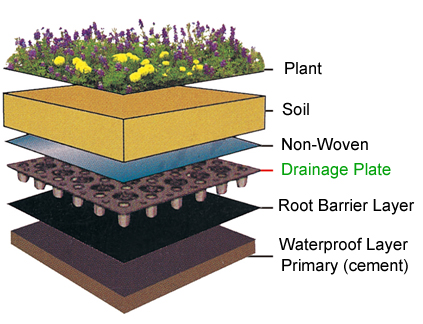
A successful green roof is a layered system, each component playing a vital role in its longevity and performance. It’s crucial to understand these layers to ensure proper installation and maintenance. Below is a breakdown of the essential components:
- Waterproofing Membrane: This is the foundational layer, protecting the building’s structure from water ingress. It must be robust, durable, and root-resistant.
- Root Barrier: An additional layer to prevent plant roots from penetrating and damaging the waterproofing membrane.
- Drainage Layer: This layer facilitates the removal of excess water, preventing waterlogging of the growing medium. It can be a gravel layer or a specialized drainage mat.
- Filter Fabric: Placed above the drainage layer, it prevents fine particles from clogging the drainage system while allowing water to pass through.
- Growing Medium: A specially engineered soil mix designed for green roofs, providing nutrients and support for plant life while remaining lightweight and well-draining.
- Vegetation: The chosen plants, typically sedums, wildflowers, or grasses, selected for their hardiness, drought tolerance, and low maintenance requirements.
Planning and Design Considerations
Before breaking ground, meticulous planning and design are crucial. The structural integrity of your building is the first consideration; a professional assessment by a structural engineer is non-negotiable to determine the roof’s load-bearing capacity. The type of green roof system – extensive or intensive – will influence the design. Extensive green roofs are shallower, lighter, and require less maintenance, typically planted with sedums. Intensive green roofs are deeper, heavier, and can support a wider variety of plants, including shrubs and even small trees, essentially creating a garden on your roof but require more structural support and maintenance.
Structural Load Capacity
The weight of a green roof system, including the saturated growing medium, plants, and potential snow load, can be substantial. A qualified structural engineer must perform calculations to ensure the existing or newly designed roof structure can safely support this load. This assessment will dictate the type and depth of the green roof system feasible for your project.
The average saturated weight of an extensive green roof can range from 15 to 40 pounds per square foot, while intensive systems can weigh 80 to 150 pounds per square foot or more.
Installation Process: Step-by-Step
The installation of a green roof involves several critical stages, each requiring precision and adherence to best practices. Professional installation is highly recommended to ensure the system’s integrity and longevity. Here’s a general overview of the installation process:
- Roof Preparation: The existing roof deck must be clean, sound, and properly sloped for drainage. Any necessary repairs or modifications to the roof structure are completed at this stage.
- Waterproofing and Root Barrier: The waterproofing membrane is meticulously applied, ensuring all seams are sealed. The root barrier is then installed over the waterproofing layer.
- Drainage and Filter Layers: The drainage layer is laid out, followed by the filter fabric. Care must be taken to ensure proper overlap and continuous coverage.
- Growing Medium Installation: The specialized growing medium is distributed evenly across the filter fabric to the specified depth.
- Vegetation Planting: Sedum mats, plugs, or seeds are installed according to the design plan. For intensive systems, larger plants, shrubs, and trees are planted.
- Irrigation System (Optional): If required, an irrigation system is installed, particularly for intensive green roofs or in drier climates.
Maintenance and Plant Selection
Once installed, a green roof requires ongoing maintenance to thrive. Regular inspections for drainage efficiency, and occasional weeding are necessary. Plant selection is a critical factor in minimizing maintenance requirements.
Choosing the Right Vegetation
For most residential and commercial green roofs, especially extensive systems, drought-tolerant and low-maintenance plants are ideal. Sedums are a popular choice due to their ability to survive harsh conditions and their shallow root systems.
| Plant Type | Characteristics | Maintenance Level |
|---|---|---|
| Sedums | Drought-tolerant, shallow roots, wide variety of colors and textures. | Low |
| Hardy Perennials | Resilient, can handle varied conditions, some require more watering. | Medium |
| Grasses | Provide texture and movement, some are very hardy. | Medium |
The deep root systems of some plants can be a concern for structural integrity if not properly managed with an effective root barrier.
Frequently Asked Questions about Green Roofs
Are green roofs suitable for all roof types?
Green roofs can be adapted to most roof types, but the structural capacity of the roof is the primary concern. Flat or low-slope roofs are generally the easiest to convert, while steeper slopes may require specialized systems.
What is the lifespan of a green roof?
With proper installation and maintenance, a green roof can last significantly longer than a conventional roof, often exceeding 40-60 years. The protective layers shield the primary waterproofing membrane from UV radiation and extreme temperature fluctuations, greatly extending its life.
Do green roofs attract pests?
While green roofs can attract beneficial insects and birds, they are not typically conducive to pest infestations. The well-drained growing medium and the lack of standing water make it less hospitable for common pests. Choosing the right plants can further deter unwanted visitors.
Conclusion
Constructing a green roof is a rewarding endeavor that offers substantial environmental and economic benefits. By carefully planning, understanding the layered system, and selecting appropriate vegetation, you can create a beautiful, functional, and sustainable addition to your property. The initial investment in a green roof pays dividends through reduced energy costs, improved stormwater management, enhanced building insulation, and a positive impact on the urban ecosystem. Consulting with professionals ensures that your green roof is installed correctly and will provide benefits for decades to come. Embrace the green revolution and let your roof come to life.
