Mastering Your Smart Gas Meter: A Comprehensive Guide to Reading and Understanding Your Usage
Navigating the world of home utilities can often feel complex, but understanding your smart gas meter is a crucial step towards managing your energy consumption and saving money. Gone are the days of simply guessing your usage; modern smart gas meters provide detailed insights right at your fingertips. This guide will walk you through the process of reading your smart gas meter, explaining the different components, and offering tips to interpret the data effectively. By the end, you’ll be equipped to take full control of your gas usage and make informed decisions about your home’s energy efficiency.
Understanding Your Smart Gas Meter’s Display
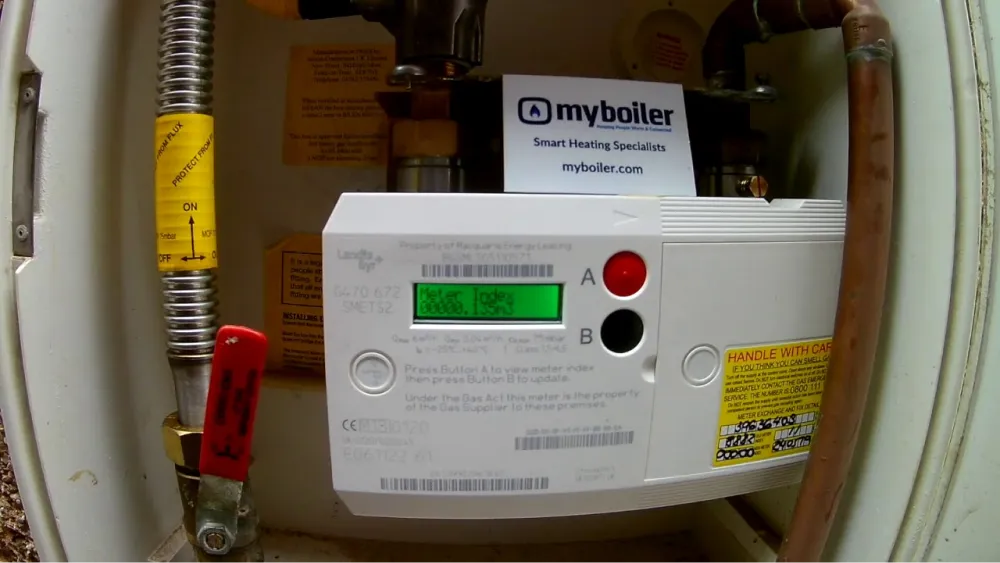
Your smart gas meter is a sophisticated device designed to provide accurate and up-to-date information about your gas consumption. The display, often an LCD screen, is your primary interface for understanding this data. Familiarizing yourself with what’s shown on this screen is the first step in becoming a smart energy consumer.
Decoding the Meter Readings
The most important piece of information on your smart gas meter is the consumption reading, typically displayed in cubic feet or cubic meters. This number represents the total volume of gas that has passed through the meter since it was last reset or installed. It’s essential to note that this reading is cumulative and will continue to increase as you use gas.
Fact: Smart gas meters transmit readings automatically to your utility provider, eliminating the need for manual meter readers and reducing the chance of estimated bills.
Beyond the total consumption, your smart meter may display additional metrics. These can include real-time flow rate, indicating how much gas is being used at that exact moment, and historical data, such as daily or monthly usage summaries. Some advanced meters might even show pressure and temperature readings, which can be used for more precise calculations of energy usage.
How to Manually Read Your Smart Gas Meter
While smart meters are designed for automatic transmission, there may be instances where you need to manually read your meter. This could be for troubleshooting, comparing with your utility bill, or simply for your own record-keeping. The process is straightforward once you know what to look for.
Locating and Accessing the Display
Your smart gas meter is typically located on an exterior wall of your home, often near where the gas line enters the building. It’s usually a metal box with a transparent display window. Ensure the area around the meter is clear of obstructions for easy access. If your meter is inside a locked utility box, you may need to contact your gas provider for access.
- Identify the main consumption display.
- Look for any additional metrics or codes that might be shown.
- Note down the numbers accurately, paying attention to any decimal points.
Interpreting Different Display Formats
The exact format of the display can vary between manufacturers and models. Some meters cycle through different readings automatically, while others require you to press a button to advance through the various screens. Consult your meter’s manual or your utility provider’s website if you’re unsure about how to navigate its specific display.
Tips for Smart Gas Meter Usage and Savings
Understanding your smart gas meter is only half the battle; the real goal is to use this information to optimize your energy consumption and reduce your bills. By actively monitoring your usage and implementing energy-saving strategies, you can make a significant difference.
Monitoring Your Consumption Patterns
Regularly check your smart gas meter’s display or your online utility account to track your usage patterns. Identify peak usage times and correlate them with specific activities, such as heating your home or running hot water. This awareness is key to pinpointing areas where you can reduce consumption.
| Time of Day | Typical Usage | Potential Savings |
|---|---|---|
| Morning (6 AM – 9 AM) | High (Heating, Cooking) | Reduce thermostat settings when not home. |
| Afternoon (12 PM – 5 PM) | Medium (Hot Water) | Shorten shower times, fix leaky faucets. |
| Evening (6 PM – 10 PM) | High (Heating, Cooking) | Ensure proper insulation, use programmable thermostat. |
Implementing Energy-Saving Measures
Once you’ve identified areas for improvement, implement practical energy-saving measures. Simple changes can lead to substantial savings over time. Regularly maintaining your appliances, ensuring your home is well-insulated, and adjusting your thermostat settings are all effective strategies.
Fact: A programmable thermostat can save homeowners an average of 10% a year on their heating and cooling costs by automatically adjusting the temperature when you’re asleep or away.
Frequently Asked Questions about Smart Gas Meters
How often are smart gas meters read?
Smart gas meters are typically read automatically by your utility provider remotely, often daily or even more frequently. This allows for real-time monitoring of your consumption.
What should I do if my smart gas meter reading seems incorrect?
If you suspect an error in your reading, first compare it with your utility bill. If discrepancies persist, contact your gas utility provider directly. They can remotely check the meter’s data or schedule a technician to investigate.
Can I view my smart gas meter data online?
Yes, most utility providers offer online portals or mobile apps where you can view detailed historical data from your smart gas meter, track your usage, and sometimes even set up alerts for unusual consumption.
In conclusion, understanding and utilizing your smart gas meter is a powerful tool for managing your home’s energy consumption and reducing costs. By familiarizing yourself with its display, knowing how to read it manually when necessary, and actively applying energy-saving strategies, you can gain greater control over your utility bills. The insights provided by your smart meter empower you to make informed decisions about your energy use, contributing to both your financial well-being and environmental sustainability. Embrace the technology, monitor your usage diligently, and enjoy the benefits of a more energy-efficient home.
