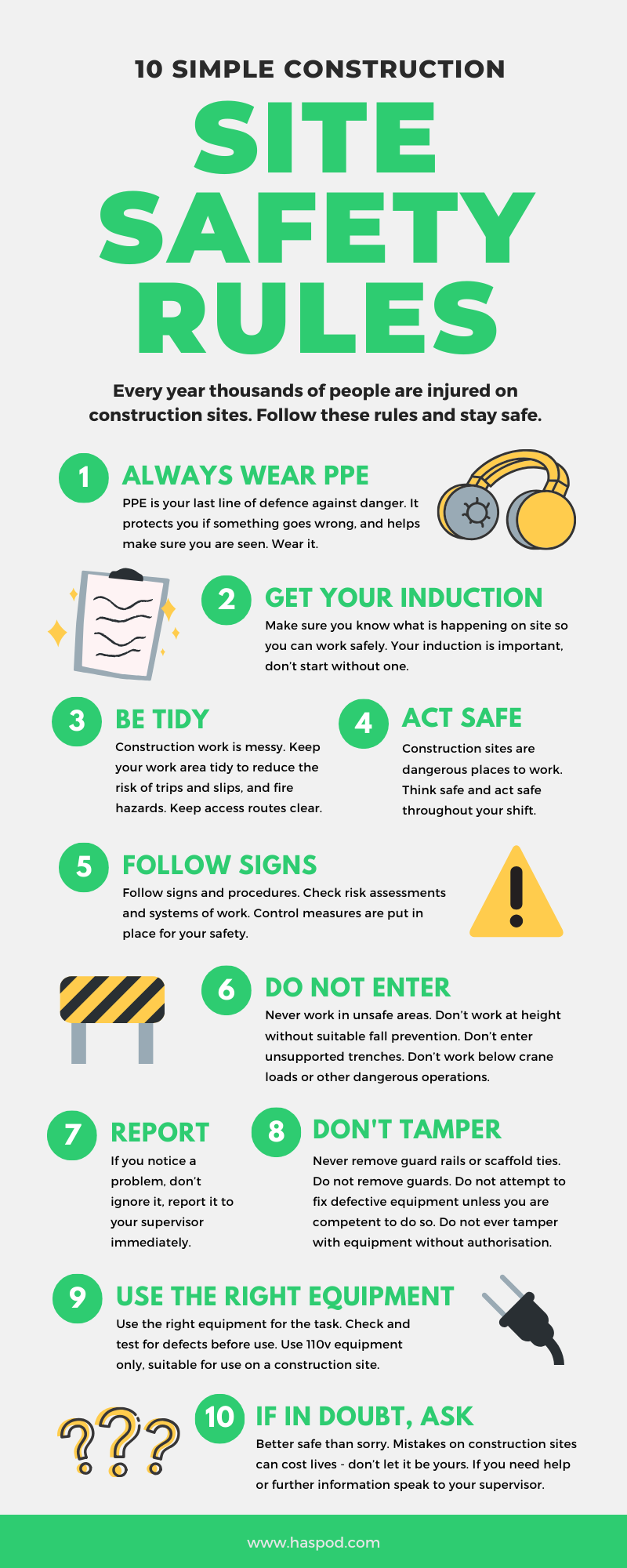
Essential Safety Measures for Construction Sites: A Comprehensive Guide
Construction sites are dynamic environments with inherent risks. Implementing robust safety measures is paramount to protect workers, prevent accidents, and ensure project success. This article delves into the critical safety protocols that every construction site must adhere to, covering everything from personal protective equipment to emergency preparedness.
Understanding Construction Site Hazards
Before implementing safety measures, it’s crucial to identify the common hazards present on construction sites. These can range from falls from heights and electrocution to being struck by objects and exposure to hazardous materials. A thorough risk assessment is the first step in mitigating these dangers.
The Importance of Personal Protective Equipment (PPE)
Personal Protective Equipment (PPE) forms the frontline defense for workers against potential injuries. Ensuring that all personnel wear appropriate PPE at all times is non-negotiable.
* **Head Protection:** Hard hats are essential to protect against falling objects and head impacts.
* **Eye Protection:** Safety glasses or goggles shield eyes from dust, debris, and chemical splashes.
* **Foot Protection:** Steel-toed boots provide protection against crushing injuries and punctures.
* **Hand Protection:** Gloves, selected based on the specific task, protect against cuts, abrasions, and chemical exposure.
* **Hearing Protection:** Earplugs or earmuffs are necessary in high-noise environments.
* **Respiratory Protection:** Respirators are vital when working with hazardous dusts, fumes, or chemicals.
The proper selection and consistent use of PPE significantly reduce the severity of injuries in the event of an accident. It is a fundamental aspect of construction site safety.
Implementing Site Safety Protocols
Beyond individual protection, comprehensive site-wide safety protocols are vital for a secure working environment. These protocols address common risks and establish procedures for safe operations.
Fall Protection Systems
Falls are one of the leading causes of fatalities and serious injuries in construction. Implementing effective fall protection systems is therefore a top priority.
* **Guardrails:** Installing guardrails around open edges, platforms, and elevated walkways.
* **Safety Nets:** Deploying safety nets below work areas where falls are possible.
* **Personal Fall Arrest Systems (PFAS):** Providing and ensuring the correct use of harnesses, lanyards, and anchor points for workers operating at significant heights.
Electrical Safety
Construction sites often involve temporary wiring, heavy machinery, and potential exposure to live electrical currents. Strict adherence to electrical safety is crucial.
* **Lockout/Tagout Procedures:** Ensuring machinery is de-energized and cannot be accidentally activated during maintenance or repair.
* **GFCI Protection:** Using Ground Fault Circuit Interrupters (GFCIs) for all temporary power sources.
* **Awareness of Overhead Power Lines:** Maintaining safe distances from overhead power lines.
Tool and Equipment Safety
The safe operation and maintenance of tools and equipment are critical to preventing accidents.
* **Regular Inspections:** Conducting daily pre-use inspections of all tools and equipment.
* **Proper Training:** Ensuring all operators are trained and certified to use specific machinery.
* **Machine Guarding:** Verifying that all moving parts of machinery are adequately guarded.
Hazard Communication and Training
Effective communication and comprehensive training are the cornerstones of a safe construction site. Workers must be aware of the hazards they face and how to mitigate them.
Hazard Communication Program
A robust hazard communication program ensures that employees are informed about chemical hazards in the workplace. This includes:
* **Safety Data Sheets (SDS):** Making SDS readily available for all hazardous chemicals.
* **Labeling:** Ensuring all containers of hazardous chemicals are properly labeled.
* **Training:** Educating employees on how to read labels and SDS, and understand chemical hazards.
Regular Safety Training and Briefings
Ongoing training and regular safety meetings are essential to reinforce safety awareness and address emerging concerns.
| Training Topic | Frequency | Personnel Involved |
| :—————————— | :———— | :—————– |
| General Site Safety | Quarterly | All personnel |
| Fall Protection | Bi-Annually | High-risk workers |
| Electrical Safety | Annually | Electricians, all |
| Equipment Operation | As needed | Operators |
| Emergency Procedures | Semi-Annually | All personnel |
Adequate training empowers workers to identify risks and take proactive measures, fostering a culture of safety.
Emergency Preparedness and Response
Despite all precautions, emergencies can still occur. Having a well-defined emergency preparedness and response plan is crucial for minimizing harm.
Emergency Evacuation Plan
* Clearly marked evacuation routes.
* Designated assembly points.
* Regular evacuation drills.
First Aid and Medical Support
* Availability of well-stocked first-aid kits.
* Trained first-aid personnel on-site.
* Procedures for contacting emergency medical services.
A swift and organized response during an emergency can be the difference between a minor incident and a major catastrophe.
Frequently Asked Questions (FAQ)
What is the most common cause of accidents on construction sites?
Falls from heights remain a leading cause of accidents and fatalities in the construction industry.
How often should safety equipment be inspected?
Safety equipment, especially items related to fall protection and personal protective equipment, should be inspected regularly, often daily before use, and thoroughly checked according to manufacturer guidelines and regulatory standards.
Who is responsible for ensuring safety on a construction site?
Safety is a shared responsibility. Employers are responsible for providing a safe working environment, implementing safety programs, and providing training. Employees are responsible for following safety procedures, using PPE, and reporting hazards.
Conclusion
Maintaining a safe construction site is a continuous effort that requires diligence, commitment, and collaboration from everyone involved. By consistently implementing and adhering to essential safety measures, from providing adequate PPE and robust fall protection to conducting thorough training and emergency preparedness, the risks inherent in construction can be significantly minimized. A proactive approach to safety not only protects lives but also contributes to project efficiency and overall success. Investing in safety is investing in people and the future of the construction industry.
