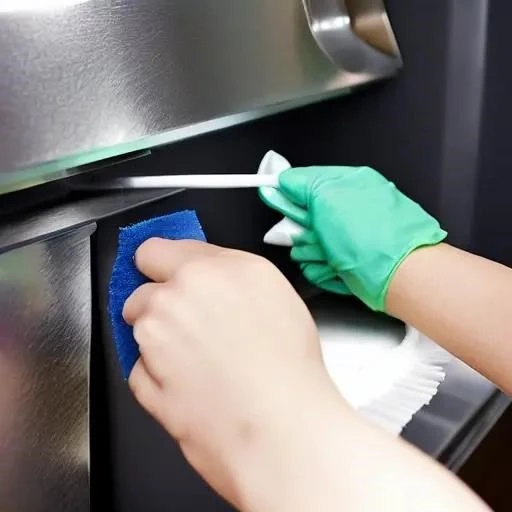
Maintaining a clean and efficient air conditioning system in your car is not merely about comfort; it’s also crucial for your health and the longevity of the vehicle’s components․ Over time, moisture, dust, and various airborne particles accumulate within the AC system, creating a breeding ground for mold, bacteria, and fungi․ This can lead to unpleasant odors, reduced cooling efficiency, and even respiratory issues for passengers․ Fortunately, with a few basic tools and a bit of effort, you can significantly improve the air quality and performance of your car’s AC․
Why Your Car’s AC Needs Regular Cleaning
Your car’s air conditioning system is constantly circulating air from both inside and outside the vehicle․ This process inevitably draws in dust, pollen, pet dander, and other contaminants․ When combined with the inherent moisture present in the evaporator coil, these conditions are perfect for microbial growth․ These microorganisms are the primary culprits behind musty or sour smells emanating from your vents, indicating a clear need for a thorough cleaning․ Ignoring these signs can lead to more pervasive issues, impacting not only the air quality but also potentially the performance of the system itself, making the cabin less comfortable on hot days․
Essential Tools and Materials for a DIY AC Refresh
Before you embark on the journey of revitalizing your car’s AC system, gathering the right tools and materials is paramount․ Having everything at hand will streamline the process and ensure a more effective cleaning․ Most of these items are readily available at automotive supply stores or even general retailers․
Here’s a list of what you’ll likely need:
- New cabin air filter (check your car’s manual for the correct part number)
- Automotive AC evaporator cleaner/disinfectant spray (foam or aerosol type)
- Microfiber cloths
- Vacuum cleaner with hose attachments
- Screwdriver set (Phillips and flathead may be needed depending on your car)
- Safety glasses and gloves
- Optional: Car air freshener or odor eliminator
Step-by-Step Guide: How to Clean Your Car’s AC System Effectively
Cleaning your car’s AC system is a multi-step process that tackles different components to ensure comprehensive sanitation and improved air quality․ Following these steps carefully will yield the best results․
Cleaning or Replacing the Cabin Air Filter
The cabin air filter is your first line of defense against airborne pollutants entering the passenger compartment․ It traps dust, pollen, and other debris․ A clogged filter restricts airflow and can harbor contaminants․
- Locate your cabin air filter: This is typically behind the glove compartment, under the dashboard, or sometimes under the hood near the windshield cowl․ Consult your car’s owner’s manual for the exact location․
- Remove the old filter: Carefully unclip or unscrew any fasteners holding the filter housing in place․ Note the direction of airflow marked on the old filter․
- Inspect the filter: If it’s heavily soiled, it’s best to replace it․ Some washable filters can be cleaned, but replacement is often more effective for heavily contaminated ones․
- Install the new filter: Ensure the new filter is oriented correctly according to the airflow arrows․ Reattach the housing and any removed components․
Disinfecting the Evaporator and Vents
The evaporator coil is where the cooling magic happens, but it’s also a prime spot for mold and bacteria due to condensation․ Using an AC disinfectant specifically designed for cars is crucial here․
- Locate the evaporator drain tube: This tube is usually found underneath the car, often near the firewall on the passenger side․ It allows condensation to drip out․
- Access the evaporator: Some AC cleaning sprays come with a long hose that can be inserted directly into the drain tube or through an access point in the HVAC system․ Follow the product’s specific instructions․
- Apply the cleaner: With the engine off, spray the disinfectant into the evaporator area․ Allow the foam or liquid to expand and work its way through the fins, killing bacteria and mold․
- Wait and ventilate: Let the product sit for the recommended time (usually 10-20 minutes)․ During this time, the cleaner will break down contaminants and drain out with the condensation․
- Run the AC: After the waiting period, start your car, turn the AC to its highest fan setting, and set it to fresh air (not recirculation) with windows open․ Let it run for about 10-15 minutes to thoroughly dry out the system and flush out any remaining cleaner․
Addressing Odors and Maintaining Freshness
Beyond deep cleaning, there are steps you can take to keep your car’s AC fresh between major cleaning sessions․ This involves preventative measures and simple treatments․ For instance, using a specialized car odor bomb can effectively neutralize lingering smells in the entire cabin․ Additionally, running the fan on high for a few minutes with the AC off before reaching your destination can help dry out the evaporator, reducing moisture where mold thrives․ This simple habit can make a significant difference in preventing future smells․
DIY vs․ Professional Car AC Cleaning Services
Deciding whether to tackle your car’s AC cleaning yourself or enlist the help of professionals depends on several factors, including the severity of the problem, your comfort level with DIY tasks, and your budget․ Both approaches offer distinct advantages and disadvantages․
| Feature | DIY Car AC Cleaning | Professional Car AC Cleaning |
|---|---|---|
| Cost | Generally lower (cost of products/filter) | Higher (labor + specialized equipment) |
| Thoroughness | Basic cleaning, surface-level disinfection | Deeper clean, specialized equipment for hard-to-reach areas, potential for system checks |
| Time Commitment | Your own time, typically 1-2 hours | Drop-off/pickup, service can take several hours |
| Expertise Required | Basic mechanical knowledge, ability to follow instructions | No expertise needed from car owner |
| Effectiveness for Severe Issues | May not fully resolve deep-seated mold or complex mechanical issues | More effective for significant contamination or underlying problems |
| Warranty/Guarantee | None | Often comes with a service warranty |
Frequently Asked Questions About Car AC Cleaning (FAQ)
How often should I clean my car’s AC system?
It’s generally recommended to replace your cabin air filter every 12,000 to 15,000 miles or once a year, whichever comes first․ A full evaporator cleaning with disinfectant spray can be done every one to two years, or whenever you notice persistent foul odors․
Can I use household cleaners for my car’s AC?
No, it’s strongly advised against using household cleaners like bleach or all-purpose sprays․ These products are not formulated for automotive AC systems and can damage sensitive components, leave behind harmful residues, or create toxic fumes when heated․ Always use automotive-specific AC evaporator cleaners and disinfectants․
What are the signs that my car AC needs cleaning?
The most common signs are unpleasant odors (musty, sour, or moldy smells) emanating from the vents, especially when the AC is first turned on․ Other indicators include reduced airflow, unexplained increases in allergies or respiratory irritation while in the car, or visible dust and debris in the vents․
Is AC cleaning related to refrigerant recharge?
No, AC cleaning addresses the hygienic state and airflow of the system, focusing on removing contaminants and odors․ Refrigerant recharge, also known as “re-gassing,” deals with the level of the refrigerant gas that cools the air․ While both contribute to AC performance, they are separate maintenance tasks․ If your AC isn’t blowing cold air, it might need a refrigerant check, not just a cleaning․
Regular cleaning of your car’s AC system is an essential part of automotive maintenance that significantly impacts both your driving comfort and your health․ By proactively addressing potential issues like mold and bacteria growth, you ensure a continuous supply of fresh, clean air in your cabin․ Whether you choose a DIY approach or professional service, prioritizing this task will lead to a more enjoyable and healthier driving experience․ A little effort can go a long way in keeping your car’s interior pleasant and your AC system running at its best for years to come․
