Effortless Guide: How to Change Your Car Key Battery with Ease
Losing access to your car due to a dead key fob battery can be a frustrating experience. Fortunately, changing a car key battery is a straightforward process that most people can accomplish themselves with a few simple tools and this comprehensive guide. This article will walk you through the steps of identifying your key fob type, safely opening it, replacing the battery, and reassembling it, ensuring you can get back to effortlessly unlocking and starting your vehicle.
Understanding Your Car Key Fob
Before you begin, it’s essential to identify the type of key fob you have, as the process can vary slightly between manufacturers and models. Most modern car key fobs are designed to be user-friendly, but some may require a bit more finesse to open. Identifying the battery type is also crucial for a smooth replacement process.
Identifying Your Key Fob and Battery Type
The first step is to locate the battery compartment or seam on your key fob. Many fobs have a small notch or seam along the edge that indicates where to insert a prying tool. You can often find information about your specific key fob by consulting your car’s owner’s manual or by searching online using your car’s make, model, and year. Common battery types for car key fobs include coin-cell batteries such as CR2032, CR2025, or CR2016.
Fact: Over time, the constant use of your car key fob can drain the battery, typically lasting between 2 to 5 years depending on usage and battery quality.
Step-by-Step: How to Change Your Car Key Battery
Once you’ve identified your key fob and the correct battery, you’re ready to proceed with the replacement. Patience is key, especially when opening the fob, to avoid damage.
Opening Your Car Key Fob
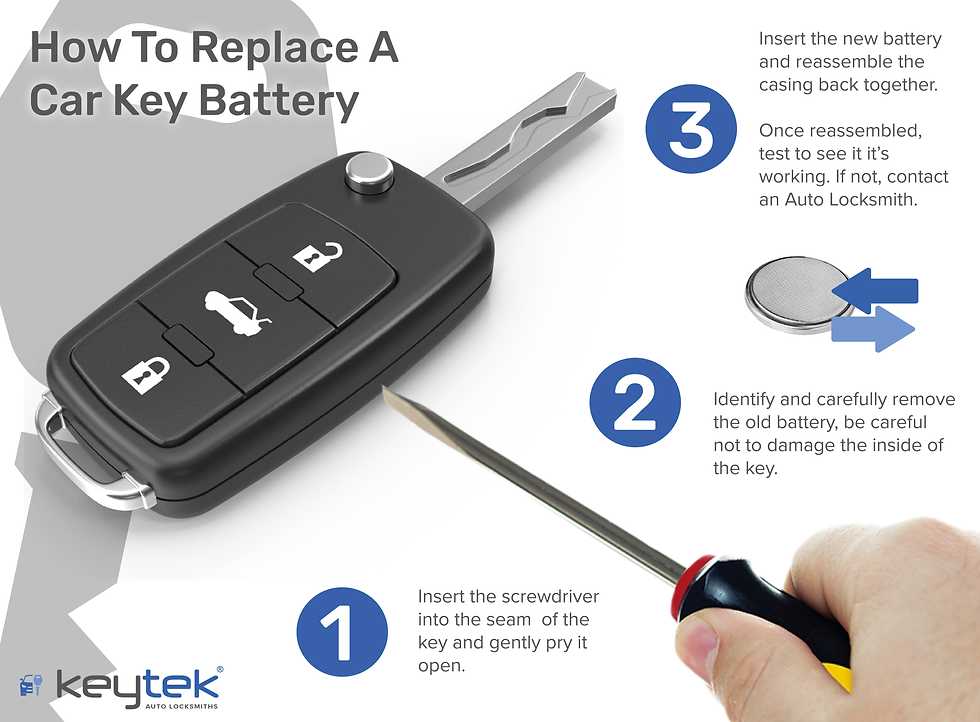
Gently insert a small, flathead screwdriver or a plastic prying tool into the seam or notch of the key fob. Twist the tool slightly to create a small gap. Work your way around the seam, patiently prying the two halves of the fob apart. Some fobs may have a small release tab that needs to be pressed simultaneously. Avoid using excessive force, as this can break the plastic casing.
Replacing the Old Battery
After successfully opening the fob, you’ll see the old battery. Note the orientation of the battery (which side is facing up) before removing it. Most coin-cell batteries are held in place by a small clip. Carefully remove the old battery, again using a non-metallic tool if possible to avoid short-circuiting any components. Insert the new battery, ensuring it’s correctly oriented according to the markings inside the fob.
Reassembling Your Car Key Fob
Once the new battery is in place, align the two halves of the key fob and gently press them together until they click into place. Ensure there are no gaps and that the casing is secure. Test the key fob by trying to lock and unlock your car doors. If the buttons don’t respond immediately, you might need to re-seat the battery or ensure the fob is properly closed.
Common Car Key Fob Battery Replacement Scenarios
Different car manufacturers have unique designs for their key fobs. Here are a few common examples:
| Car Manufacturer | Typical Fob Design | Common Battery Type | Difficulty Level |
|—|—|—|—|
| Toyota/Lexus | Two-piece casing, side seam | CR2032 | Easy |
| Honda/Acura | Two-piece casing, notch on edge | CR1616 or CR2032 | Easy |
| Ford/Lincoln | Two-piece casing, often requires a small flathead screwdriver | CR2032 or CR2450 | Moderate |
| General Motors (Chevy, Cadillac) | Two-piece casing, may have a screw | CR2032 | Easy to Moderate |
Troubleshooting a Non-Responsive Fob
If your key fob doesn’t work after replacing the battery, double-check that you’ve used the correct battery type and installed it with the correct polarity (+/-). Ensure the fob is fully reassembled and that there’s no debris interfering with the button contacts. Some vehicles may require you to re-sync the key fob with your car; consult your owner’s manual for specific instructions.
Tip: Keep a spare battery for your key fob in your wallet or glove compartment to avoid being stranded.
Frequently Asked Questions About Car Key Battery Replacement
Here are answers to some common questions regarding changing your car key fob battery:
Q1: How often should I replace my car key fob battery?
A1: On average, car key fob batteries last between 2 to 5 years. However, this can vary based on usage frequency, the quality of the battery, and environmental factors. If you notice your fob’s range decreasing or it fails to unlock/lock your car consistently, it’s likely time for a replacement.
Q2: Can I use a different battery type if the exact one isn’t available?
A2: It’s highly recommended to use the exact battery type specified by your car manufacturer. Using an incorrect battery can damage the key fob’s electronics or may not provide the necessary power, leading to malfunctioning. Always check your owner’s manual or the old battery for the correct designation (e.g., CR2032).
Q3: What should I do if I break my key fob while trying to open it?
A3: If you accidentally break a piece of your key fob casing, don’t panic. Minor cracks or broken tabs can often be repaired with strong adhesive, like super glue or epoxy. However, if the internal electronics are damaged, you may need to contact a dealership or automotive locksmith for a replacement fob.
In conclusion, changing your car key battery is a valuable DIY skill that can save you time and money. By following these steps carefully, you can ensure a successful battery replacement and maintain the convenience of your keyless entry system. Remember to consult your owner’s manual for specific guidance related to your vehicle. A fresh battery means one less worry on the road, keeping you connected to your car with ease. Mastering this simple task empowers you to handle common car maintenance issues independently.
