
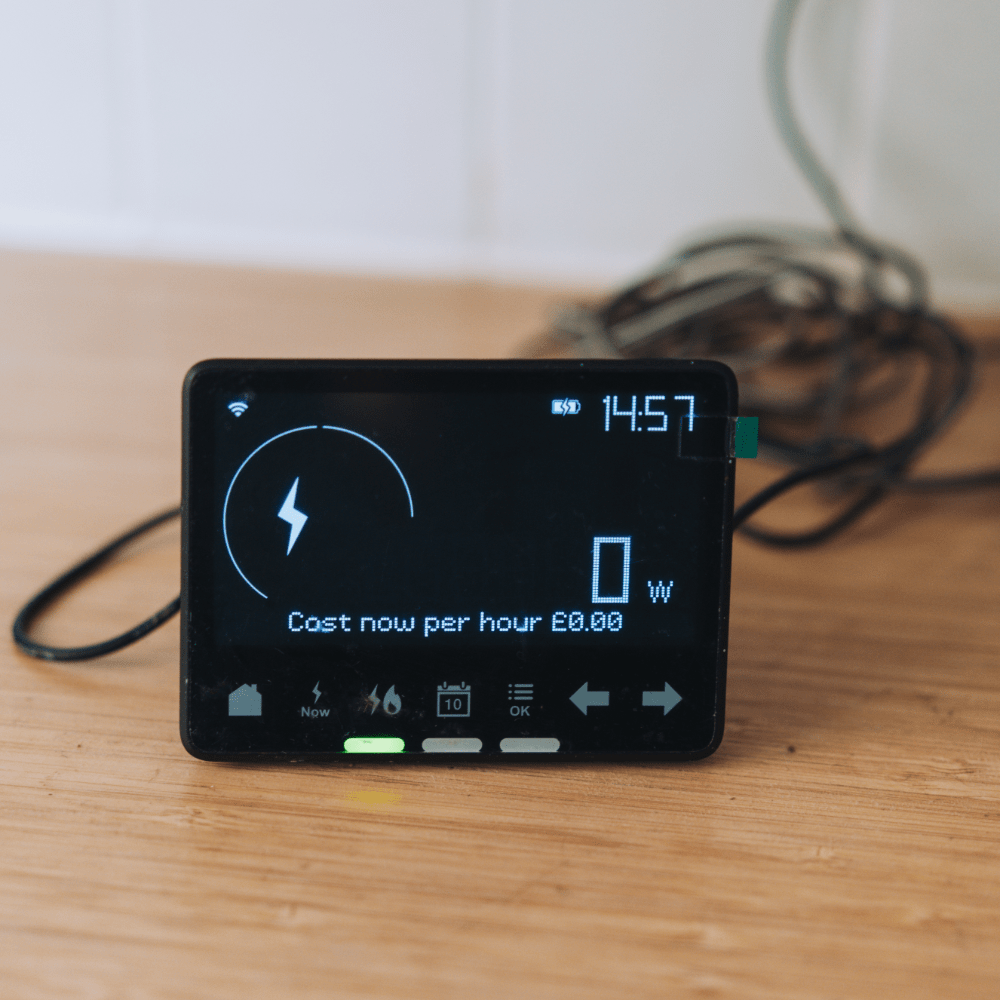
Understanding Smart Meter Costs: What You Need to Know
Smart meters are becoming increasingly common in households worldwide, offering a range of benefits from more accurate billing to improved energy management. However, a frequent question that arises for homeowners is: “How much is a smart meter?” The cost associated with smart meters isn’t a simple, one-size-fits-all answer. It often depends on various factors, including your location, your energy provider, and whether the meter is being installed as part of a mandated upgrade or a voluntary upgrade. Many energy companies are in the process of rolling out smart meters to all their customers, and in these cases, the cost of the meter itself is typically absorbed into the overall service charges, meaning you don’t pay an upfront fee for the hardware.
The True Cost of Smart Meter Installation
When considering the “cost” of a smart meter, it’s crucial to differentiate between the hardware expenses and any potential installation or associated service fees. In most regions undergoing a smart meter rollout, the installation is provided free of charge by the utility company. This is because the broader benefits of smart grids—like reduced operational costs for the utility and better load management—are seen as justifying the widespread investment.
Smart Meter Pricing: A Provider-by-Provider Breakdown
The pricing of smart meters can vary significantly from one energy provider to another and from one geographical region to another. Some utilities in areas without mandated rollouts might offer smart meters as an optional upgrade. In such scenarios, there could be an upfront cost for the meter and its installation. These costs are not standardized and can range from a modest fee to several hundred dollars, depending on the provider’s pricing structure and the complexity of the installation process.
Fact: In many countries, the national government or regulatory bodies mandate the rollout of smart meters, with the utility companies bearing the installation costs as part of grid modernization efforts.
For instance, while a typical rollout in the UK or Australia means no direct cost to the consumer for the meter itself, a homeowner in a less regulated market might face a direct charge. It’s always advisable to check directly with your energy provider for the most accurate and up-to-date information regarding smart meter costs in your specific area.
Benefits That Offset Potential Costs
While the upfront cost of a smart meter might be a concern for some, it’s important to consider the long-term benefits that can often outweigh any initial or ongoing charges. Smart meters provide near real-time data on energy consumption, empowering consumers to make more informed decisions about their usage. This can lead to significant savings on energy bills by identifying and reducing wasteful energy consumption patterns.
Comparing Smart Meter Options and Features
- Real-time data display
- Remote meter reading capabilities
- Integration with smart home devices
- Tamper detection and alerts
Furthermore, smart meters facilitate more accurate billing. Gone are the days of estimated bills; smart meters ensure you pay only for the energy you actually consume. This transparency can prevent billing surprises and allow for better household budgeting. For those who actively manage their energy use, the ability to track consumption patterns can lead to substantial savings over time.
Understanding Smart Meter Installation Fees
In the majority of smart meter deployment scenarios, consumers do not incur any direct charges for the installation. Utility companies typically cover these expenses as part of their infrastructure upgrade investments. However, there might be exceptional circumstances or specific service requests where a fee could apply.
| Service Type | Associated Costs (Estimated) | Notes |
| :——————– | :————————— | :—————————————- |
| Standard Installation | Often Free | Included in energy plan/rollout |
| Re-installation | $50 – $150 | If meter is removed and needs re-installing |
| Specific Location | Variable | Complex installations may incur extra fees |
These might include requests for installation in a less accessible location or if a customer opts for a smart meter outside of a mandatory rollout program. Always clarify these potential costs with your energy provider before scheduling an installation.
Smart Meter Technology and Innovations
The technology behind smart meters is constantly evolving. Newer models offer enhanced features such as two-way communication, enabling them to send data back to the utility company and receive information for demand-response programs. This advanced functionality supports a more efficient and responsive energy grid.
Frequently Asked Questions About Smart Meter Costs
Q1: Will I have to pay for my smart meter?
In most cases, if your energy provider is rolling out smart meters to all customers, the cost of the meter and its standard installation is covered by the provider. You typically will not pay an upfront fee. However, if you are requesting a smart meter outside of a mandated rollout or require special installation services, there might be a charge.
Q2: Are there any ongoing costs associated with smart meters?
Generally, there are no additional ongoing costs specifically for the smart meter itself. The costs are usually factored into the overall service and infrastructure charges from your energy provider. Some advanced features or data services might, in the future, have optional associated fees, but basic meter functionality is typically included.
Q3: How much do smart meters save me on my energy bill?
The amount saved varies greatly depending on your household’s energy consumption habits and how you utilize the data provided by the smart meter. By identifying and reducing energy waste, households can see savings ranging from 5% to 15% or more on their energy bills. Actively managing your consumption based on real-time data is key to maximizing these savings.
In conclusion, the question of “how much is a smart meter” is complex, with costs varying by provider, location, and installation circumstances. For most consumers undergoing a standard rollout, the smart meter and its installation are provided at no direct upfront cost. These meters offer valuable benefits, including accurate billing, energy consumption insights, and the potential for significant long-term savings on energy bills. By understanding your energy usage and utilizing the data provided, you can actively manage your consumption and reduce your overall energy expenditure. It is always recommended to consult directly with your energy provider to get precise information tailored to your situation.
