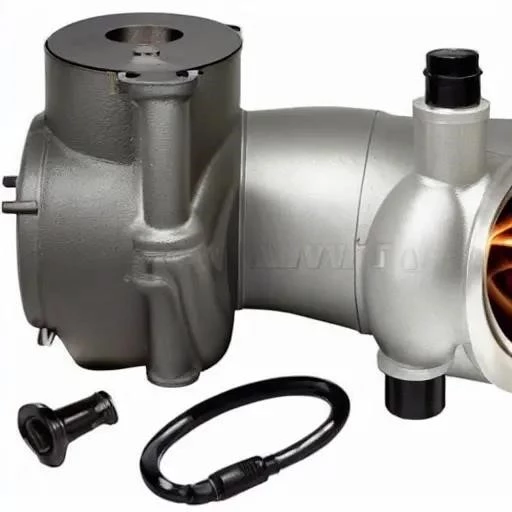
Modern automobiles are marvels of engineering‚ constantly evolving to deliver greater performance and efficiency. Among the most significant advancements in engine technology is the turbocharger‚ a device that has revolutionized how cars generate power. Far from being a mere accessory‚ a turbocharger is an intricate system designed to force more air into an engine’s combustion chambers‚ thereby enhancing its overall output. This clever mechanism allows smaller engines to produce power levels typically associated with much larger‚ naturally aspirated counterparts‚ making vehicles both more dynamic and potentially more fuel-efficient. Understanding this essential component is key to appreciating the capabilities of many high-performance and economical cars on the road today.
The Core Concept of Automotive Turbocharging
At its heart‚ a turbocharger is an exhaust gas-driven air pump. Its primary function is to increase the density of air entering the engine‚ a process known as forced induction. By compressing the intake air‚ more oxygen molecules are packed into each cylinder during the intake stroke. This increased oxygen allows for a more complete and powerful combustion of fuel‚ directly translating into a significant boost in horsepower and torque. Without this forced induction‚ engines would rely solely on atmospheric pressure to draw air in‚ limiting their potential.
How a Turbocharger Boosts Engine Performance
The operation of a turbocharger is a fascinating cycle of energy conversion. It cleverly reclaims wasted energy from the engine’s exhaust to enhance performance. Here’s a simplified breakdown of its stages:
- Exhaust Gas Collection: Hot exhaust gases leaving the engine are directed towards the turbocharger.
- Turbine Activation: These high-pressure gases spin a turbine wheel‚ which is part of the turbocharger assembly. This turbine can rotate at incredibly high speeds‚ often exceeding 200‚000 RPM.
- Compressor Drive: The turbine is connected by a shared shaft to a compressor wheel. As the turbine spins‚ it drives the compressor.
- Air Compression: The rapidly spinning compressor draws in ambient air‚ compresses it‚ and then forces this denser‚ pressurized air into the engine’s intake manifold.
- Combustion Enhancement: This increased volume of oxygen-rich air allows the engine to inject and burn more fuel efficiently‚ resulting in a substantial increase in power output.
Key Components of a Car Turbocharger System
A turbocharger system is a complex assembly of several crucial parts‚ all working in harmony to achieve forced induction. Understanding these components provides insight into the system’s efficiency and common operational aspects.
- Turbine: Located on the exhaust side‚ this wheel is spun by exhaust gases‚ converting thermal and kinetic energy into rotational energy.
- Compressor: Situated on the intake side‚ it’s connected to the turbine by a shaft. As it spins‚ it draws in ambient air and compresses it before sending it to the engine.
- Shaft: A central rod connecting the turbine and compressor wheels‚ allowing them to spin in unison. It requires precise balancing and robust bearings due to the extreme rotational speeds.
- Wastegate: A control valve that bypasses some exhaust gases around the turbine at higher engine RPMs. This prevents over-boosting and protects the engine from excessive pressure.
- Intercooler (Charge Air Cooler): An essential component that cools the compressed air before it enters the engine. Compressing air heats it up‚ and cooler air is denser‚ leading to even more power and reducing the risk of pre-ignition.
- Blow-off Valve (Bypass Valve): Releases excess boost pressure when the throttle closes rapidly‚ preventing compressor surge and protecting the turbocharger.
Advantages of Modern Automotive Turbocharging
The widespread adoption of turbochargers in modern vehicles‚ from compact sedans to high-performance sports cars‚ is largely due to the significant benefits they offer. These advantages make turbocharged engines an attractive option for both manufacturers and consumers.
| Advantage | Description |
|---|---|
| Increased Power Output | A smaller turbocharged engine can produce as much or more power than a larger‚ naturally aspirated engine‚ due to the increased air density and fuel combustion. |
| Improved Fuel Efficiency | By allowing smaller displacement engines to perform like larger ones‚ turbocharging can lead to better fuel economy‚ especially under light load conditions. The engine doesn’t have to work as hard for everyday driving. |
| Reduced Emissions | More complete combustion of fuel‚ combined with smaller engine sizes‚ often results in lower emissions of greenhouse gases and pollutants. |
| Enhanced Performance at Altitude | Naturally aspirated engines lose power at higher altitudes due to thinner air. Turbochargers can compensate for this by compressing the thinner air‚ maintaining power output. |
| Compact Engine Design | Manufacturers can use smaller‚ lighter engines to achieve desired power levels‚ contributing to better vehicle packaging and overall weight reduction. |
Potential Downsides and Considerations
While turbochargers offer numerous benefits‚ it’s important to acknowledge some of their inherent drawbacks. One common issue is “turbo lag‚” a slight delay between pressing the accelerator and the turbocharger delivering its full boost. This occurs because it takes a moment for the exhaust gases to spin the turbine up to speed. Modern engineering has significantly reduced turbo lag‚ but it can still be noticeable in some applications. Furthermore‚ the complexity of a turbocharged system‚ with its many moving parts operating at extreme temperatures and speeds‚ can sometimes lead to higher maintenance costs or specific care requirements. The increased heat generated also necessitates robust cooling systems. Despite these points‚ ongoing advancements continue to mitigate these challenges‚ making turbocharging an increasingly refined technology.
Frequently Asked Questions About Car Turbos (FAQ)
Does a turbocharger increase fuel consumption?
Not necessarily. While a turbocharger allows an engine to produce more power (which can consume more fuel when used aggressively)‚ its primary benefit is often improved efficiency. By enabling smaller engines to deliver adequate power‚ they can be more fuel-efficient than larger‚ naturally aspirated engines performing the same task. Fuel consumption depends heavily on driving style and engine design.
What is “turbo lag”?
“Turbo lag” refers to the brief delay between the driver pressing the accelerator pedal and the turbocharger delivering its full boost. This delay occurs because the exhaust gases need time to build up sufficient pressure to spin the turbine and compressor wheels up to their operating speed. Modern turbos‚ with technologies like variable geometry turbines and electric assistance‚ have largely minimized this effect.
How long do car turbos typically last?
With proper maintenance and care‚ a modern turbocharger can last the lifetime of the vehicle‚ often exceeding 150‚000 to 200‚000 miles. Factors like regular oil changes (using the correct oil)‚ proper engine warm-up and cool-down procedures‚ and avoiding excessive stress can significantly extend its lifespan. Neglect‚ however‚ can lead to premature failure.
Can I add a turbo to my non-turbo car?
Technically‚ it is possible to add an aftermarket turbocharger to a naturally aspirated engine‚ but it is a complex and often expensive modification. It requires significant changes to the engine’s fuel system‚ exhaust‚ cooling‚ and electronic control unit (ECU) to handle the increased power and pressure. Such conversions often compromise engine reliability and are best left to highly experienced professionals‚ or it is generally recommended to buy a car originally designed with a turbo.
