
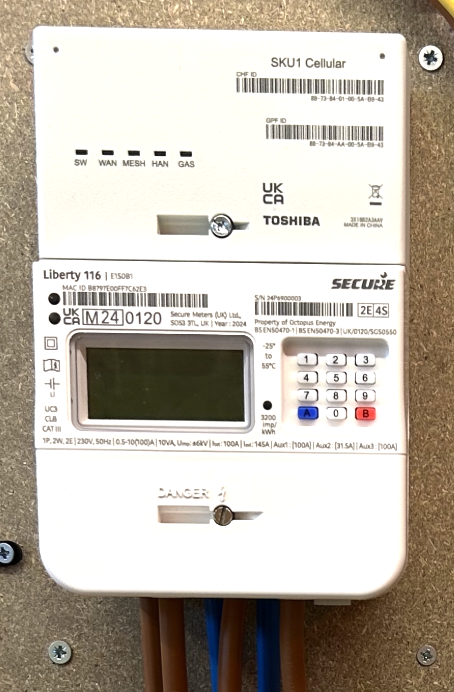
Understanding Your Smart Electric Meter: A Comprehensive Guide
The way we monitor our home energy consumption has dramatically changed with the advent of smart electric meters. These advanced devices offer a wealth of information, empowering homeowners to better understand and manage their electricity usage. Unlike traditional meters, smart meters provide real-time data, allowing for more informed decisions about energy consumption and potential cost savings. This guide will walk you through the process of reading your smart electric meter, interpreting its readings, and leveraging this data to optimize your home’s energy efficiency.
What is a Smart Electric Meter?
A smart electric meter is a digital device that records electricity consumption and communicates that information back to the utility company at regular intervals. This two-way communication capability is a key differentiator from older, analog meters. It allows for remote meter reading, outage detection, and the implementation of dynamic pricing structures. Understanding the basics of how these meters function is the first step towards effectively reading and utilizing the data they provide.
Benefits of Smart Electric Meters
Smart meters offer numerous advantages for both consumers and utility providers. For homeowners, the ability to track energy usage in near real-time can lead to significant behavioral changes that reduce waste and lower electricity bills. Utility companies benefit from more efficient operations, including automated meter reading and faster response to outages. Some of the key benefits include:
- Real-time energy usage data.
- Identification of energy-hungry appliances.
- Support for variable electricity pricing plans.
- Improved outage detection and restoration.
- Enhanced billing accuracy.
Smart meters can help you identify peak usage times, which is crucial for understanding how your daily activities impact your electricity bill.
How to Read Your Smart Electric Meter
Reading a smart electric meter is generally straightforward, though the exact display and navigation can vary slightly between manufacturers and utility providers. Most smart meters feature a digital display that cycles through various pieces of information. You may need to press a button to advance through the screens, or the display may change automatically after a few seconds.
Common Readings on Your Smart Meter
When you look at your smart meter’s display, you’ll typically see several key pieces of information. Familiarizing yourself with these will make the reading process much easier:
- Current Consumption:
- This is often displayed in kilowatts (kW) and indicates your immediate energy usage at that moment.
- Cumulative Consumption:
- This reading, usually in kilowatt-hours (kWh), shows the total amount of energy consumed over a period, such as since the last billing cycle or since the meter was installed.
- Cost of Usage:
- Some smart meters can estimate the cost of your energy consumption based on your utility’s rates.
- Voltage:
- This indicates the electrical potential supplied to your home.
Your smart meter provides a clear picture of your energy consumption, allowing you to pinpoint when and where you are using the most electricity.
Interpreting Your Smart Meter Data
The real power of a smart meter lies not just in reading the numbers, but in understanding what they mean for your energy habits. By monitoring your usage patterns, you can identify opportunities to save energy and money. For instance, observing high kW readings during specific times can help you pinpoint which appliances or activities are consuming the most power.
Leveraging Data for Energy Efficiency
Once you understand your meter’s readings, you can start implementing strategies to reduce your energy footprint. This might involve shifting usage of high-demand appliances to off-peak hours if your utility offers time-of-use pricing. It can also empower you to make more informed decisions about upgrading to energy-efficient appliances or improving your home’s insulation.
Smart Meter Data and Your Utility Bill
Your utility bill is designed to align with the data collected by your smart meter. Most bills will show your total kWh consumption for the billing period, along with the corresponding charges. Some utilities provide online portals where you can access more detailed historical data from your smart meter, offering even greater insight into your usage trends.
| Meter Reading Type | Smart Meter Display | Utility Bill (Current Period) |
|---|---|---|
| Cumulative Consumption | 1500 kWh | 1500 kWh |
| Peak Demand | 8 kW (at 6:00 PM) | (Used for demand charges, if applicable) |
| Estimated Cost | $225.00 | $225.00 |
Understanding Time-of-Use (TOU) Pricing
Many smart meters facilitate Time-of-Use (TOU) pricing plans. Under these plans, electricity costs vary depending on the time of day, day of the week, and sometimes even the season. Understanding your meter’s readings in conjunction with TOU rates allows you to strategically reduce costs by shifting non-essential energy use to cheaper periods.
Frequently Asked Questions about Smart Electric Meters
What is the difference between kW and kWh?
Kilowatts (kW) measure the rate of energy usage at a specific moment, like the power an appliance draws when it’s on. Kilowatt-hours (kWh) measure the total amount of energy consumed over a period of time. Think of kW as speed and kWh as distance traveled.
How often does my smart meter send data?
The frequency of data transmission varies by utility and meter type, but it’s typically done at intervals ranging from every 15 minutes to once a day. This allows for near real-time monitoring and billing.
Can my smart meter be hacked or compromised?
Utility companies employ robust security measures to protect smart meter data and communication networks from unauthorized access. While no system is entirely immune, significant efforts are made to ensure the security and privacy of your information.
In conclusion, understanding how to read and interpret your smart electric meter is a powerful tool for gaining control over your home’s energy consumption. By regularly checking your meter, analyzing the data, and making informed adjustments to your energy habits, you can significantly reduce your electricity bills and contribute to a more sustainable energy future. Embrace the insights your smart meter provides, and start your journey towards greater energy efficiency today. This knowledge empowers you to be a more conscious energy consumer, leading to both financial savings and a reduced environmental impact.
