
Lease administration becomes overwhelming not because of one complex task, but because of many small, repetitive ones. Updating contracts, recalculating payments, generating invoices, tracking renewals, managing approvals, and preparing reports all add up. When these processes rely on spreadsheets, emails, and disconnected systems, teams quickly hit a ceiling—more work means more people. But scaling headcount is not the only option. With the right approach, you can significantly reduce manual work and handle more volume with the same team.
The key is to shift from manual, fragmented workflows to structured, system-driven processes.
Centralize Your Lease Data
One of the biggest sources of manual work is data fragmentation. When contract details, asset information, billing schedules, and customer records live in different places, teams spend time searching, reconciling, and re-entering information.
Centralizing lease data into one system eliminates this friction. Instead of updating multiple tools, teams work from a single source of truth where all relevant information—contracts, assets, payments, and history—is connected. This not only saves time but also reduces errors and improves collaboration between departments.
Automate Repetitive Tasks
Lease administration includes many tasks that follow clear, repeatable rules. These are ideal candidates for automation. Examples include:
- Generating invoices and payment schedules
- Applying fees, interest, and adjustments
- Sending payment reminders and dunning notices
- Tracking key dates like renewals or expirations
- Updating contract statuses
When these processes are automated, teams no longer need to manually trigger each step. Instead, the system handles routine operations, allowing staff to focus only on exceptions or unusual cases.
Standardize Workflows and Templates
Manual work increases when every lease is handled differently. Without standardization, teams spend time recreating contracts, approval paths, and pricing structures from scratch.
Using predefined templates and workflows helps create consistency. Contracts can follow standardized formats, approvals can move through predefined steps, and service packages can be reused. This reduces decision fatigue, speeds up processing, and ensures that best practices are applied across all deals.
Streamline Approvals
Approval processes are often hidden bottlenecks. When approvals happen via email or informal communication, delays are common, and tracking progress becomes difficult.
Structured approval workflows solve this by routing requests automatically to the right people, with clear visibility into status and responsibility. This eliminates back-and-forth communication and ensures that approvals happen faster and more consistently.
Reduce Manual Reporting
Reporting is another area where teams lose significant time. Exporting data, cleaning it, and building reports manually can take hours or even days.
Modern lease management systems can generate real-time reports automatically, giving stakeholders immediate visibility into portfolio performance, cash flow, and risk exposure. This reduces the need for manual data preparation and allows teams to make faster, data-driven decisions.
Focus Your Team on Exceptions, Not Routine Work
A key mindset shift is moving from “doing everything manually” to “managing exceptions.” When routine processes are automated, staff no longer need to handle every transaction individually. Instead, they focus on:
- Resolving disputes
- Handling complex contract changes
- Managing high-risk accounts
- Supporting customers
This approach allows the same team to manage a larger portfolio without being overwhelmed.
Use Technology as a Force Multiplier
Reducing manual work without hiring more staff ultimately comes down to using the right technology. Lease administration platforms are designed to centralize data, automate workflows, and provide visibility across the entire lease lifecycle.
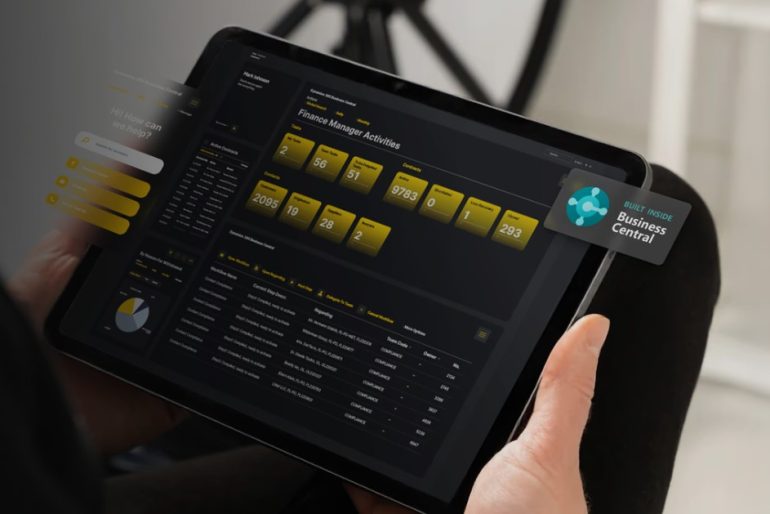
Solutions like SOFT4Leasing can support this transformation by bringing contract management, billing, asset tracking, compliance, and reporting into one system. By automating repetitive processes and connecting all lease-related data, such platforms help businesses reduce administrative effort and scale operations more efficiently.
Conclusion
You do not reduce manual work by asking your team to work harder—you reduce it by redesigning how work gets done. Centralized data removes duplication, automation eliminates repetitive tasks, standardized workflows create consistency, and structured approvals reduce delays. Together, these changes allow leasing businesses to handle more contracts, more assets, and more complexity without increasing headcount.
For companies looking to scale efficiently, the goal is not just to manage leases, but to build a system where most of the work manages itself.
